
Resources
Food as Medicine: A Complete Guide to 5 Essential Therapeutic Diets

Introduction
We often rely heavily on medication to treat illnesses, but have you ever considered the power of what’s on your plate? In the medical world, there is a popular saying: “Let food be thy medicine.”
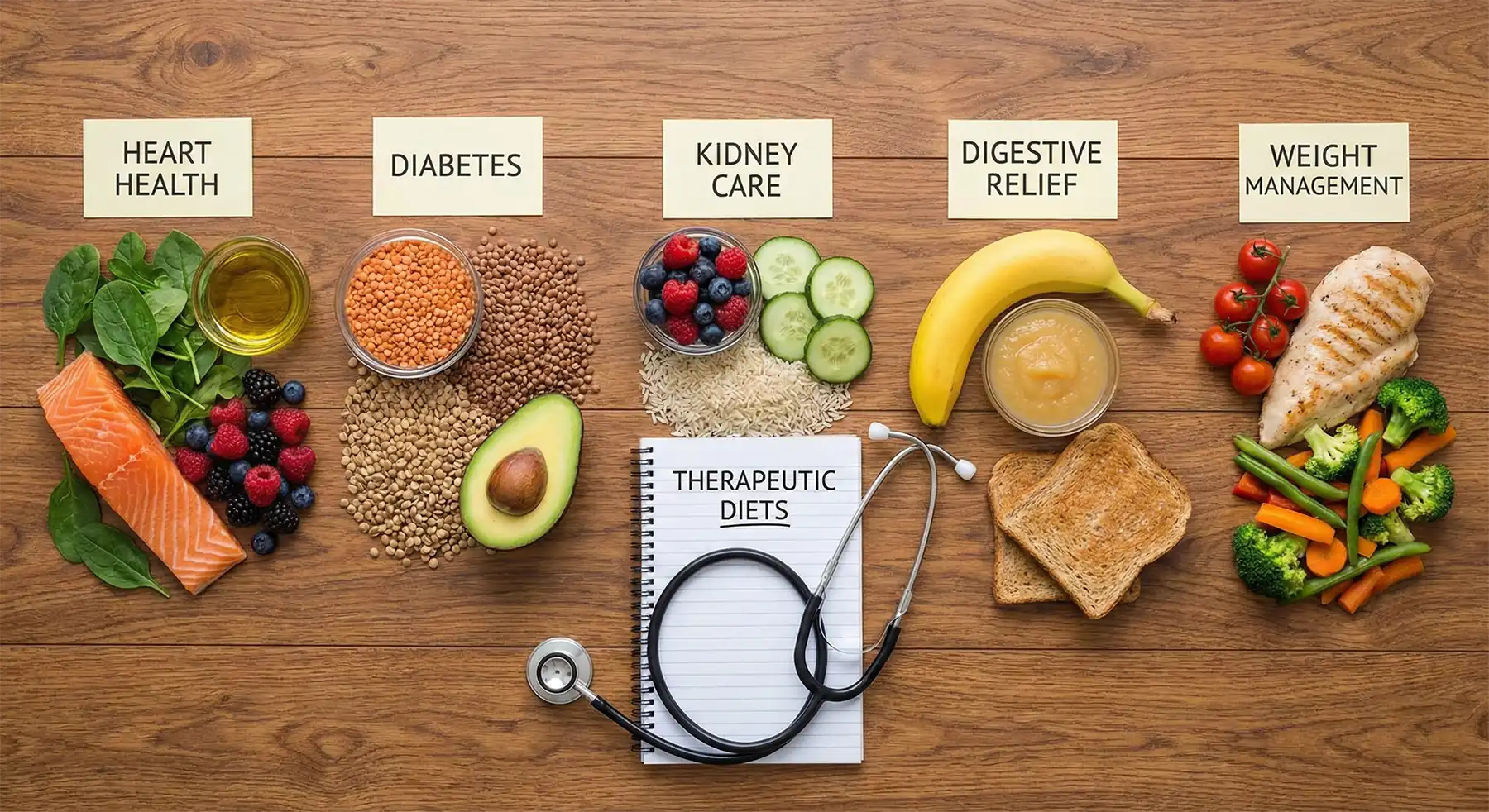
To manage chronic conditions or speed up recovery, relying solely on medicine isn’t enough. You need to follow a Therapeutic Diet—a meal plan tailored specifically to your body’s medical needs. Unlike regular diets, these are not just about counting calories; they are about nutrient management to treat or control specific diseases.
Here is a breakdown of the most effective therapeutic diets prescribed for common health conditions.
1. Diets for Heart Health & Hypertension
For individuals suffering from high blood pressure or cardiovascular issues, diet plays a massive role in recovery.
DASH Diet (Dietary Approaches to Stop Hypertension): This is globally recognized for lowering blood pressure. It focuses on reducing sodium (salt) intake while increasing foods rich in potassium, calcium, and magnesium.
The Mediterranean Diet: Highly recommended for heart health. Instead of red meat, this diet encourages eating fatty fish, olive oil, nuts, and whole grains. It is excellent for raising “good” cholesterol (HDL) and preventing arterial blockages.
Low-Cholesterol Diet: This involves strictly limiting saturated fats (found in fatty meats and processed foods) to reduce harmful cholesterol levels in the blood.
2. The Diabetic Diet (Blood Sugar Control)
For diabetes patients, maintaining stable blood sugar levels is non-negotiable.
Low-Glycemic Index (Low GI) Foods: These foods break down slowly, preventing sudden spikes in blood sugar. Examples include oats, whole grains, and lentils.
Low-Carb Diet: By reducing carbohydrate intake and focusing on proteins and healthy fats, this diet helps prevent glucose surges and is highly effective for weight management in diabetics.
High-Fiber Diet: Including plenty of green leafy vegetables and fruits with skin helps slow down sugar absorption. This not only controls diabetes but also improves digestion and heart health.
3. The Renal Diet (Kidney Health)
Kidney diets are highly sensitive and vary depending on the stage of kidney disease.
Low-Sodium & Low-Potassium: When kidneys are weak, they cannot filter out excess salt and potassium. Therefore, limiting salt and high-potassium foods (like bananas and coconuts) helps control fluid balance and blood pressure.
Low-Protein Diet: Protein metabolism produces waste products like urea. To reduce the workload on compromised kidneys, doctors often restrict protein intake to keep urea and creatinine levels in check.
Low-Phosphorus Diet: Failing kidneys cannot remove excess phosphorus, which can damage bones. This diet restricts dairy products and certain beans to protect bone health and heart function.
4. Diets for Digestive Disorders
Stomach issues require very specific textures and types of food to allow the gut to heal.
Low-Residue (Low-Fiber) Diet: Often prescribed before/after surgery or for conditions like Ulcerative Colitis. It minimizes bowel movements to give the intestines rest.
High-Fiber Diet: The go-to solution for constipation or IBS (Irritable Bowel Syndrome), focusing on increasing bulk with fruits and vegetables.
The BRAT Diet: Used for recovery from diarrhea or vomiting. It stands for Banana, Rice, Applesauce, and Toast—bland, easy-to-digest foods that settle the stomach.
5. Diets for Weight & Metabolic Health
These diets tackle metabolism and specific food intolerances.
Ketogenic (Keto) Diet: A high-fat, very low-carb diet originally designed for epilepsy management. Today, it is widely used for rapid weight loss and improving insulin sensitivity.
Gluten-Free Diet: Essential for people with Celiac Disease or gluten sensitivity. It strictly eliminates wheat, barley, and rye to prevent intestinal damage.
⚠️ Important Disclaimer
The information provided in this article is for educational purposes only and does not constitute medical advice. Every individual’s body and medical history are different. Always consult a registered dietitian or your healthcare provider before making significant changes to your diet. A therapeutic diet should strictly be followed under professional supervision to avoid nutritional imbalances.